Blog · By age · October 16, 2026
Treasure Hunts by Age: What Works for 3-, 6- and 9-Year-Olds
Match three things to your kid's age: the number of stops, the kind of clue, and how much you help. Ages 3 to 4 do best with 3 stops, picture clues and a grown-up walking beside them. Ages 5 to 7 can handle about 5 stops with short word clues they read or sound out. Ages 8 to 10 want 6 to 8 stops, riddles, codes and compass directions, and very little help.
Why age matters more than the theme
A pirate hunt and a space hunt are the same hunt with different names. What makes one go well and another end in tears is almost always the fit. Too many stops and a 3-year-old wanders off to play with the dog. Too few and a 9-year-old finishes in two minutes and asks what the point was.
The good news is that the fixes are small. You don't need a different plan for each kid, just a few dials you can turn: stops, clues, help, and how far they roam. The quick table below sums it up, and the sections after it explain each age.
| Ages 3 to 4 | Ages 5 to 7 | Ages 8 to 10 | |
|---|---|---|---|
| Stops | 3 | 4 to 5 | 6 to 8 |
| Clues | Pictures, read aloud | Short words and rhymes | Riddles, codes, compass |
| Your job | Walk with them | Stay close, help read | Hand over the map, step back |
| Area | One or two rooms | The whole floor | House and fenced yard |
| Map level | Little explorer | Brave | Legend or Super explorer |
Treasure hunt for toddlers and preschoolers (ages 3 to 4)
At this age the hunt is a walk with surprises. Your kid isn't solving anything yet; they're finding things, and finding things is thrilling.
How to set it up:
- Pick 3 stops in rooms they know well, close together. The bathtub, their bed and the fridge are a good first trail.
- Draw a picture on each clue card. A bathtub, a pillow, a fridge. No words needed. If drawing isn't your thing, cut a picture from a magazine or take a quick photo and print it.
- Read each card out loud, then ask "Where do you think that is?" Let them lead even when they head the wrong way first.
- Make the treasure the size of their hand. A sticker sheet, a small book, a toy they've been eyeing.
- Keep it under 10 minutes. End on a win, before they get tired.
What to watch for: Little kids love the same hunt again and again. When they ask to do it twice, re-hide the same 3 clues in new spots and go again.
Safety at this age: Walk the trail with them every time. No stops on or near stairs, the stove, windows or water. For treasure, skip hard candy, nuts, popcorn and whole grapes for kids under 4, and keep anything with small parts away from kids under 3.
Treasure hunt for 5- to 7-year-olds
This is the sweet spot. Kids this age can follow a trail on their own, love being in charge of the map, and are usually starting to read.
How to set it up:
- Use 4 or 5 stops across the whole floor of the house.
- Write short clues in big letters. Rhymes help because kids can guess the last word: "Rub-a-dub-dub, look in the ___!" Add a small picture for kids just starting to read.
- Give them the map. At this age, holding the map is half the fun. Point to where they are and let them work out the next stop.
- Stay close and help sound out tricky words, but let them do the finding.
- Add one surprise: a secret password on the last stop, or a "trap" stop where they must hop on one foot before opening the clue.
What to watch for: Frustration usually means one clue was too hard. Swap it for an easier one next time rather than giving the answer right away. A hint like "it's somewhere cold" is better than "it's the fridge".
For ready-made clues by room, see our rhyming treasure hunt clues for kids.
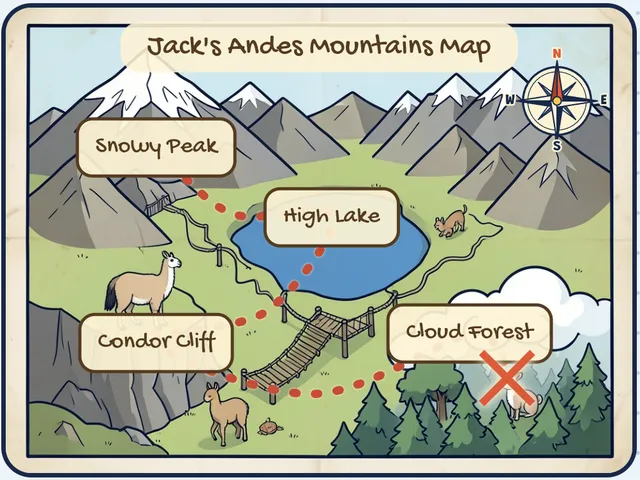
Want the map ready in minutes? My Treasure Map draws a brand-new treasure map with your kid's name on it, and you pick the level: Little explorer, Brave, Legend or Super explorer.
Want to try a map first? Enter your email at the free day pass page and we'll email you a link to start: 3 maps, free for 24 hours.
See passesTreasure hunt for 8- to 10-year-olds
Older kids want a real challenge, and they will tell you when a hunt is "for babies". Give them puzzles, more ground to cover, and the feeling that they're on their own.
How to set it up:
- Use 6 to 8 stops, across the house and a fenced yard you know well.
- Write riddles instead of rhymes: "I have hands but I can't clap" (a clock). Mix in one simple code, such as shifting each letter back by one (DPVDI spells COUCH).
- Add compass directions. "From the back door, walk 6 steps north." The compass rose on the map shows which way is north. Walk it yourself first.
- Set a timer if they like a race.
- Step back. Hand over the map and the first clue, then go make a cup of tea.
Try a real place. Kids this age often like hunts set somewhere real. A map of the Andes Mountains, the Sahara Desert or the Great Barrier Reef gives every stop a real name to look up after the hunt.
What to watch for: Boredom means it's too easy. The best level-up is to hand over the job: let them design the next hunt for a younger sibling or for you.
Siblings and mixed ages: how to run one hunt for everyone
You don't need two hunts. Give each kid a job on the same one.
- Split the clues. Picture clues for the little one, riddles for the big one, alternating. Everyone gets a turn to be the hero.
- Give the older kid a role. Map reader, clue reader or "keeper of the flashlight". They're still playing, and the little one gets a guide.
- Two maps, one treasure. Each kid gets a map at their own level, and both trails end at the same spot.
- Split the treasure in advance. Two of everything, or one treasure they open together. Nobody wants a fight at the X.
For a bigger group, like a birthday, our pirate birthday treasure hunt plan covers splitting kids into crews.
Treasure hunt safety notes by age
- All ages: Walk the whole trail yourself before the hunt. Keep stops away from the stove, stairs for little kids, windows and anything near a road.
- Under 3: Keep anything with small parts out of the hunt.
- Under 4: No hard candy, nuts, popcorn or whole grapes as treasure.
- Under 8: No uninflated or broken balloons. Children under 8 can choke or suffocate on them.
- Outdoors: A fenced yard only, with a grown-up outside too. Stay away from pools, ponds and the street.
Printable treasure hunt checklist by age
Copy this onto a card and keep it by the printer.
Ages 3 to 4
- 3 stops, close together
- Picture clue on each card
- Grown-up walking alongside
- No stairs, stove, windows or water
- Treasure without small parts or hard candy
Ages 5 to 7
- 4 or 5 stops on one floor
- Short rhyming clues in big letters
- Kid holds the map
- One surprise (password or silly task)
Ages 8 to 10
- 6 to 8 stops, house and fenced yard
- Riddles, one code, one compass clue
- Trail walked by a grown-up first
- Timer (optional)
- Ask them to design the next hunt
Picking the right map level
My Treasure Map has four levels, each aimed at an age group: Little explorer (3 to 5), Brave (6 to 8), Legend (9 and up) and Super explorer (10 and up). If you're unsure, pick the younger level first. It's easy to make the clues harder; a hunt that's too hard is hard to rescue.
Our Halloween treasure hunt clues are also sorted by age, and they work any time of year with a few words changed.
One map per kid, at their level, with their name on it. Get a pass and print tonight's map.
See passesQuestions from grown-ups
How many clues should a treasure hunt have?
One clue per stop: about 3 for ages 3 to 4, 4 or 5 for ages 5 to 7, and 6 to 8 for ages 8 to 10.
Can a 3-year-old do a treasure hunt?
Yes, with 3 stops close together, picture clues you read aloud, and a grown-up walking beside them the whole way.
How do you make a treasure hunt hard enough for a 10-year-old?
Use riddles, a simple letter code and compass directions, cover more ground, add a timer, and give no hints unless they ask.
How do you run a treasure hunt for siblings of different ages?
Give each kid a job on the same hunt, or give each one a map at their own level that ends at the same treasure.
Sources
- U.S. Consumer Product Safety Commission, "Small Parts" FAQ (small parts ban covers products for children under 3): cpsc.gov
- U.S. Consumer Product Safety Commission, "Small Parts and Choking Hazard Labeling FAQs" (balloon warning: children under 8 can choke or suffocate on uninflated or broken balloons): cpsc.gov
- DC Child and Family Services Agency, "Choking Hazard Prevention" quick reference guide (foods to avoid for young children: hard candy, popcorn, nuts, whole grapes): cfsa.dc.gov